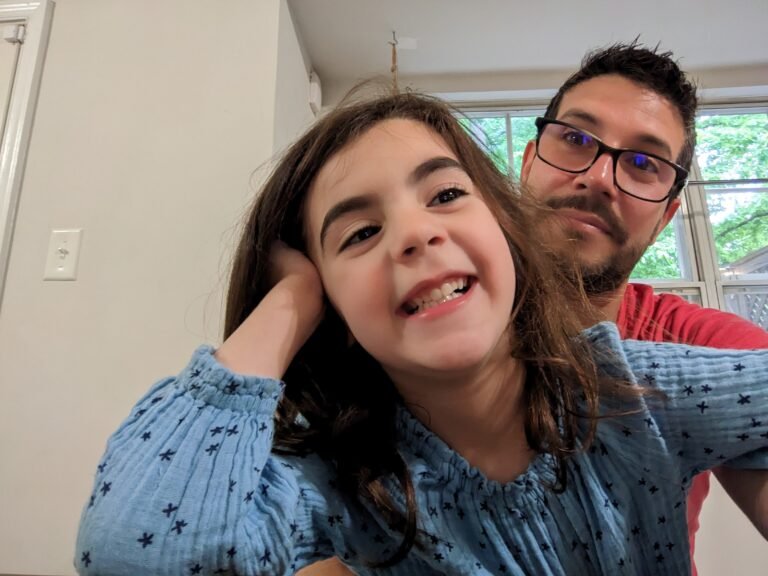
The first five years of life are not just a stage of physical growth; they are the foundation upon which the human mind is built. Families often face a common dilemma: does the type of formal education really matter before the age of six, or is it enough for children to simply be safe and entertained? The answer, backed by decades of early childhood research from institutions like Harvard’s Center on the Developing Child, is a resounding yes. It is during this critical window that fundamental skills such as confidence, curiosity, respect, empathy, and the assimilation of social norms are forged. The challenge lies in finding an environment that actively cultivates these capacities rather than merely supervising them.
This is where the home daycare model proves invaluable. In large-scale childcare centers, high child-to-adult ratios and constant environmental stimulation can hinder individual connection. Conversely, a well-structured home care environment offers the intimacy of a family combined with the purpose of an educational space.
A true love for knowledge does not stem from rigid instruction, but from the freedom to explore. However, solitary exploration is not enough. Deep learning, a concept central to Montessori and Waldorf approaches, occurs when there is an opportunity to share those experiences of discovery. When a child observes how colors interact when mixed or discovers the texture of leaves in the garden, they need an adult to validate and share that excitement.
When searching for the right environment for their children, families should evaluate the quality and warmth of daily interactions. Look for spaces that value play as the primary tool for learning, offer consistent emotional feedback, and actively promote curiosity and a desire to learn.
At Chipmunk’s Jump Daycare, we are deeply aware of this responsibility. Drawing from our extensive backgrounds in education, we understand that child development requires more than simple supervision; it demands committed adults. That is why our home is an open door offering exactly what children need at this stage: a safe space for shared wonder. We firmly believe that educating through curiosity today will ensure a better world tomorrow.