Friday night arrives. Parents are exhausted from a demanding work week, and the children, though also tired of their routines, are bursting with energy that needs to be channeled. The temptation is clear: turn to screens to gain a moment of peace or, conversely, fill their schedules with activities to “make up for” lost time.
Often, both options end up generating more stress. We end up feeling more exhausted on Sunday than we did on Friday.
The Pressure to “Get Things Done”
We live in a culture that equates a “good” weekend with a packed calendar: classes, museums, birthday parties, and events. If we don’t do it, we feel guilty. But what do children really need after a week of learning with us at Chipmunk’s Jump?
The challenge is that parents need rest, but children need to explore. The weekend should be the time when these two needs meet at a healthy midpoint. Dr. Peter Gray, a research psychologist and authority on play (author ofFree to Learn), argues that self-directed, unstructured play is essential for mental health and resilience. The weekend is the ideal setting for this type of play.
Downtime is not wasted time; it is the space where emotions are processed and creativity is cultivated.
Three Approaches to a Restorative Weekend
Instead of planning a mini-vacation every 48 hours, consider these strategies to find a real balance.
1. Establish a “Rhythm”, not a Rigid Schedule
Waldorf pedagogy, in particular, values predictable rhythm. This doesn’t mean a strict schedule, but rather a sequence that provides security. For example:
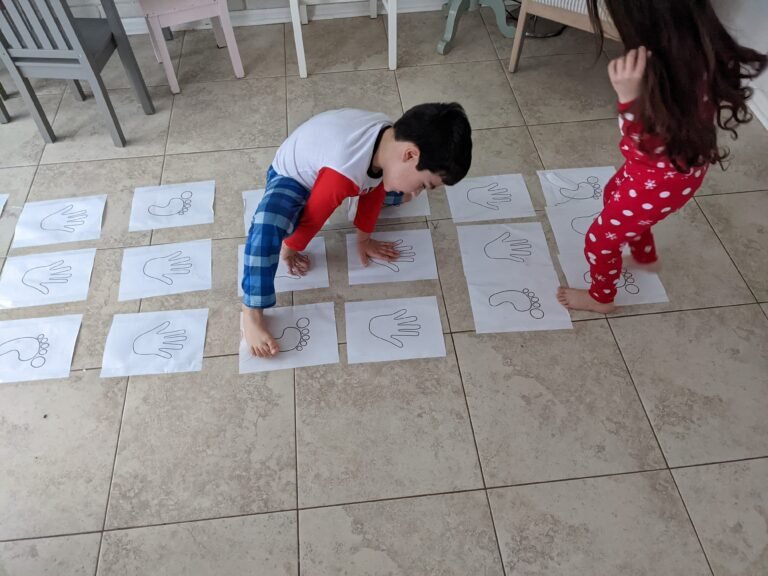
- Active Mornings:Get outside. Go to the park, the farmers market, or simply take a walk around the neighborhood. It’s time to “exhale” that pent-up energy.
- Calm Afternoons:Being at home. It’s time to “inhale.” Time to read, draw, build with blocks, or simply do nothing.
2. Integrate, not Entertain (Montessori’s “Practical Life”)
Young children don’t differentiate between “play” and “work.” For them, everything is exploration. Instead of sitting them down to watch a movie while you clean, invite them to participate.
A three-year-old can help put clothes in the washing machine, mix ingredients, or water the plants. This isn’t a chore for them; it’s a sensory and motor activity that also gives them a deep sense of belonging and connection with you.
3. Prepare the Environment and Disconnect (Parents Included)
If the house is ready for independent exploration, you can finally enjoy that much-needed hot coffee. Prepare “play invitations”:
- Rotate the toys. Put only a few, but interesting, ones within reach.
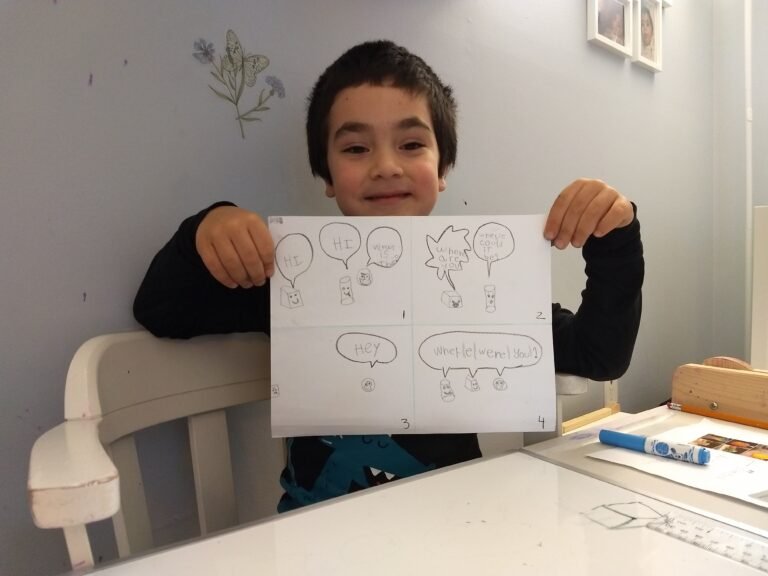
- Have an accessible art station (paper, crayons, maybe some playdough).
And most importantly: parents need to disconnect too. Children don’t need our attention 100% of the time, but they do need to feel our presence.focused presencewhen we interact. Ten minutes of playing on the floor without a phone in hand is more valuable than two hours of divided attention.
The weekend isn’t a performance race. It’s a time for home repairs and connection. Allow yourselves to slow down together.